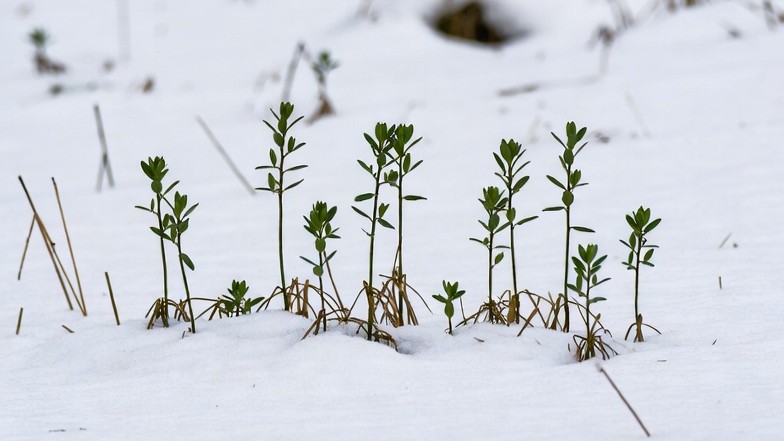

Being based in the Northeast, we do our best to provide year-round soil and compost solutions for our customers. When winter eventually comes, temperatures plummet and solar energy decreases. Raw materials freeze and clump, leading to uneven mixing, in addition to shipping and handling difficulties. For a company like Naturcycle, it is easy to understand why freezing temperatures make soil manufacturing and installation a seasonal industry. But what effect does temperature have on the soil itself?
Temperature is a critical factor in soil biology, influencing many biological processes within the soil ecosystem which directly affect plant health. An article posted on Live to Plant explains how temperature affects these biological processes:
Microbial Activity: Soil microorganisms are essential for breaking down organic matter and recycling nutrients. As temperatures rise, microbial activity typically increases, leading to enhanced decomposition rates of organic material and improved nutrient cycling.
Nutrient Availability: Soil temperature influences the solubility of nutrients and their availability to plant roots. Certain nutrients become more accessible at specific temperatures, such as phosphorus, which is sensitive to cold conditions.
Root Development: Roots are sensitive to temperature changes. Optimal soil temperatures promote root growth, while excessively high or low temperatures can lead to stunted growth or root damage.
Plant Metabolism: Plant metabolic processes such as photosynthesis and respiration are regulated by temperature. Warmer soil temperatures generally enhance metabolic activity up to a certain point; extremely high temperatures can lead to stress and reduced plant vigor.
Knowing why soil temperatures matter for plant growth is important for landscapers, landscape architects and other professionals involved with complex landscapes. Understanding these interactions is crucial for optimizing soil conditions for plant growth and ensuring sustainable agriculture and landscaping success.