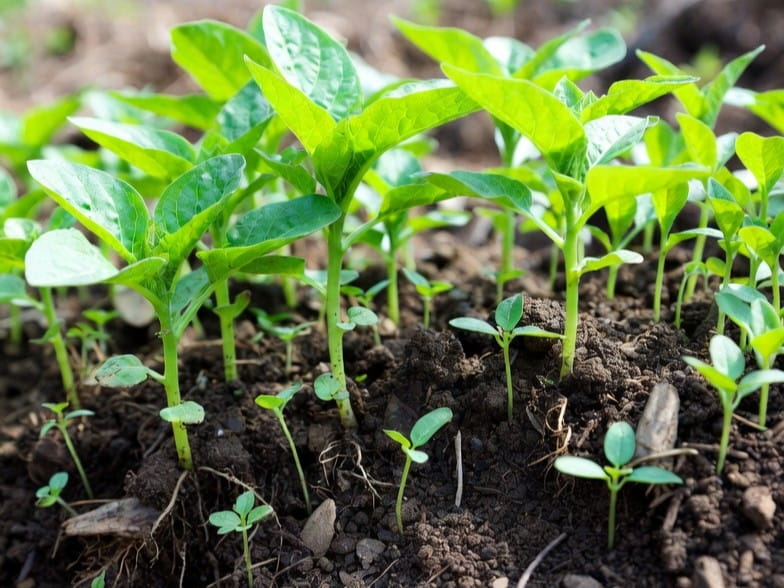

For over a decade, Naturcycle has partnered with municipal and private composters throughout the Northeast. We often get asked how we use compost. One of the most common uses is as a soil amendment. Unlike fertilizer, which only provides chemical nutrients, amending soil with compost provides a range of physical, biological, and chemical benefits. It is truly a three-for-one!
Compost is an ideal soil amendment because it dramatically improves soil structure, water retention, and nutrient availability, feeding beneficial microbes and earthworms that create fertile, healthy soil that resists pests, weeds, and erosion, while also helping soil absorb water in floods and hold it during droughts. It acts as a soil conditioner, balancing soil density, loosening clay, firming sandy soils, and slowly releasing essential macro- and micro-nutrients for sustained plant growth, making plants more resilient.
Key Benefits of Using Compost:
- Improves Soil Structure: Breaks up heavy clay for better drainage and aeration; helps sandy soils clump together, improving water and nutrient retention.
- Boosts Soil Biology: Feeds beneficial microorganisms, fungi, and earthworms, which improve nutrient cycling and soil health.
- Increases Fertility: Adds nutrients slowly, reducing leaching, and improves soil’s ability to hold onto them.
- Balances pH: Helps keep soil pH near neutral, making nutrients more available to plants.
- Enhances Water Management: Improves soil’s capacity to absorb excess water during heavy rain and retain moisture during dry spells.
- Reduces Pests & Weeds: Healthier, compost-fed soil leads to stronger plants that naturally resist diseases, pests, and weeds.
- Controls Erosion: Helps bind soil particles, preventing runoff and erosion.
- Climate Benefits: Sequesters carbon in the soil, reducing greenhouse gas emissions.
How it Works (The “Humus” Factor):
- Compost is rich in humus, a spongy substance that forms stable aggregates (crumbs) in the soil.
- These aggregates create pore spaces for air, water, and roots, while also storing nutrients.